Undoing and Weaving
A story of identity, resilience, and transformation told through the tradition of hair braiding. Drawing on memories from Nigeria, this work reflects on how cultural heritage can be carried forward while making space for new beginnings.
STORIES FROM ITALY
6/24/20261 min read
The phrase, “Sisters, the time has come to undo the braid,” holds a special meaning for me. It is more than an image—it represents a personal journey. Undoing a braid can symbolize letting go of burdens, expectations, or experiences that no longer serve us, even when they are difficult to name. It is an act of reflection, courage, and renewal.
Today, I live in Palermo, carrying with me the stories and traditions that have shaped who I am. My roots remain an important part of my identity, but they do not limit my future. Through this work, I celebrate both continuity and change: honoring what I have inherited while creating space for new possibilities. Like weaving a new braid, I am learning, strand by strand, to shape my own path and build something new with my own hands.
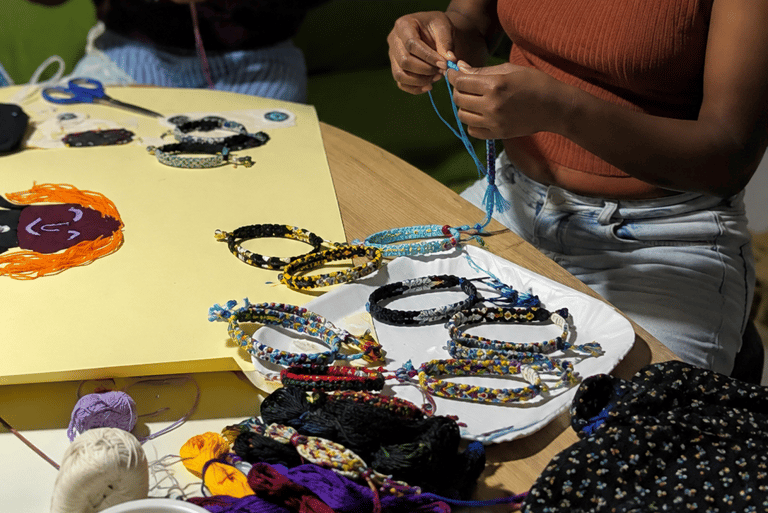
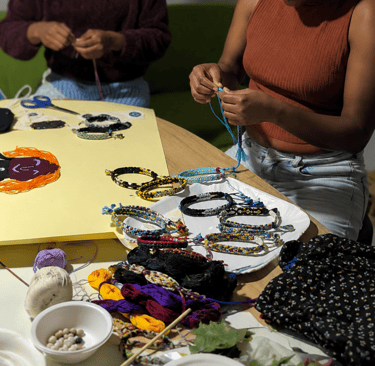
I come from Nigeria, where braiding hair is much more than a beauty practice. Braids are a form of storytelling, carrying meanings that connect people to their families, communities, and cultural heritage. For generations, hairstyles have reflected age, social roles, and important moments in life. Some traditions even suggest that braids could reveal the village a person came from or carry hidden messages, serving as silent maps passed from one woman to another.
I grew up surrounded by these traditions, watching skilled hands weave intricate patterns while conversations flowed quietly around them. Those moments taught me that braiding is not only about appearance; it is also about connection, patience, care, and belonging. Through these shared rituals, women passed down knowledge, memories, and strength from one generation to the next.
HERS
Funded by the European Union. Views and opinions expressed are however those of the author(s) only and do not necessarily reflect those of the European Union or the European Education and Culture Executive Agency (EACEA). Neither the European Union nor EACEA can be held responsible for them.
Contact
hers@odyssea.com
© 2024. All rights reserved.